Introduction
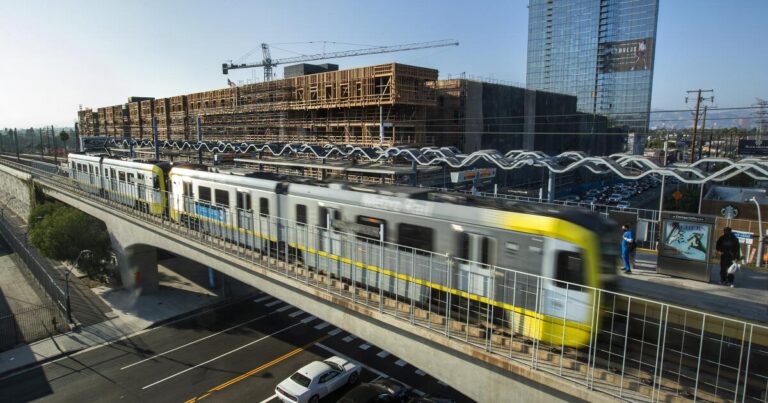
Cities across the United States are undergoing a profound transformation as they respond to shifting economic conditions, climate pressures, and changing patterns of work and housing. Two initiatives that illustrate how cities are adapting to these pressures are neighborhood-scale redevelopment efforts in Detroit led by local conservancies and community organizations, and the New York City Housing Preservation and Development (HPD) Hotels-to-Housing Initiative. While both projects address urban decline and housing demand, they operate at different scales and represent distinct approaches to urban regeneration.
Detroit’s redevelopment initiatives often focus on rebuilding neighborhoods that experienced decades of population loss, industrial decline, and disinvestment. Community-based conservancies and neighborhood organizations have stepped in to guide redevelopment strategies that incorporate mixed-use development, ecological restoration, and local economic revitalization. These projects typically integrate housing, local retail, urban agriculture, community spaces, and green infrastructure to rebuild the social and environmental fabric of neighborhoods.
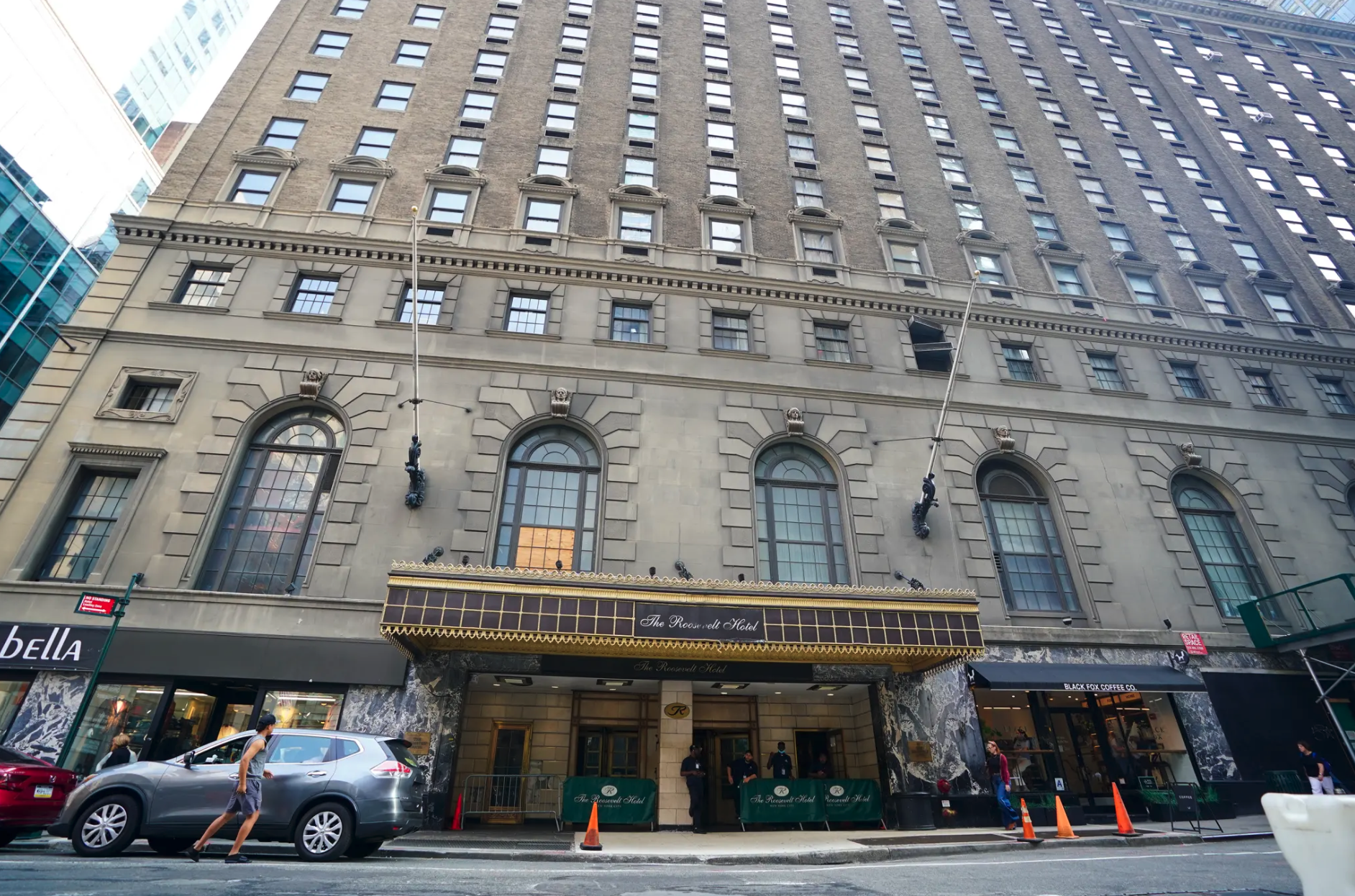
In contrast, New York City’s Hotels-to-Housing Initiative was created as a policy response to the sudden availability of underutilized hotel buildings during the COVID-19 pandemic. As tourism declined and office districts emptied, hundreds of hotels faced severe financial distress. The city responded by enabling the conversion of these structures into permanent housing, particularly supportive housing for vulnerable populations. Rather than rebuilding neighborhoods, this initiative focuses on adaptive reuse of existing buildings to meet urgent housing needs.
Although these projects differ significantly in scale and objectives, they together provide a valuable comparison for understanding the principles of regenerative urbanism and adaptive reuse. Detroit’s neighborhood redevelopment demonstrates how urban regeneration can restore ecological, economic, and social systems at the district level. New York’s hotel conversion initiative illustrates how existing buildings can be repurposed quickly and efficiently to address housing shortages. Examining both cases provides insight into how cities can pursue regeneration while simultaneously adapting their existing building stock.
Detroit Neighborhood Conservancy Redevelopment
Detroit offers a compelling example of regenerative urbanism in practice. Following decades of industrial decline, population loss, and property abandonment, large portions of the city faced severe urban blight. Entire neighborhoods contained vacant homes, empty lots, and failing infrastructure. Traditional redevelopment strategies proved insufficient to address these challenges, leading local organizations, conservancies, and community development groups to experiment with new approaches.

Neighborhood conservancies began to focus on rebuilding communities through integrated planning strategies that combine housing development, local economic activity, and ecological restoration. Rather than focusing solely on building new structures, these initiatives aim to rebuild the broader systems that allow neighborhoods to function sustainably.
One defining characteristic of Detroit’s redevelopment approach is its emphasis on community-scale regeneration. Projects are typically designed to restore entire neighborhood ecosystems rather than isolated parcels of land. Housing development is often combined with small-scale retail spaces, community centers, urban agriculture, and local services. This approach creates walkable environments that support everyday life and local economic circulation.
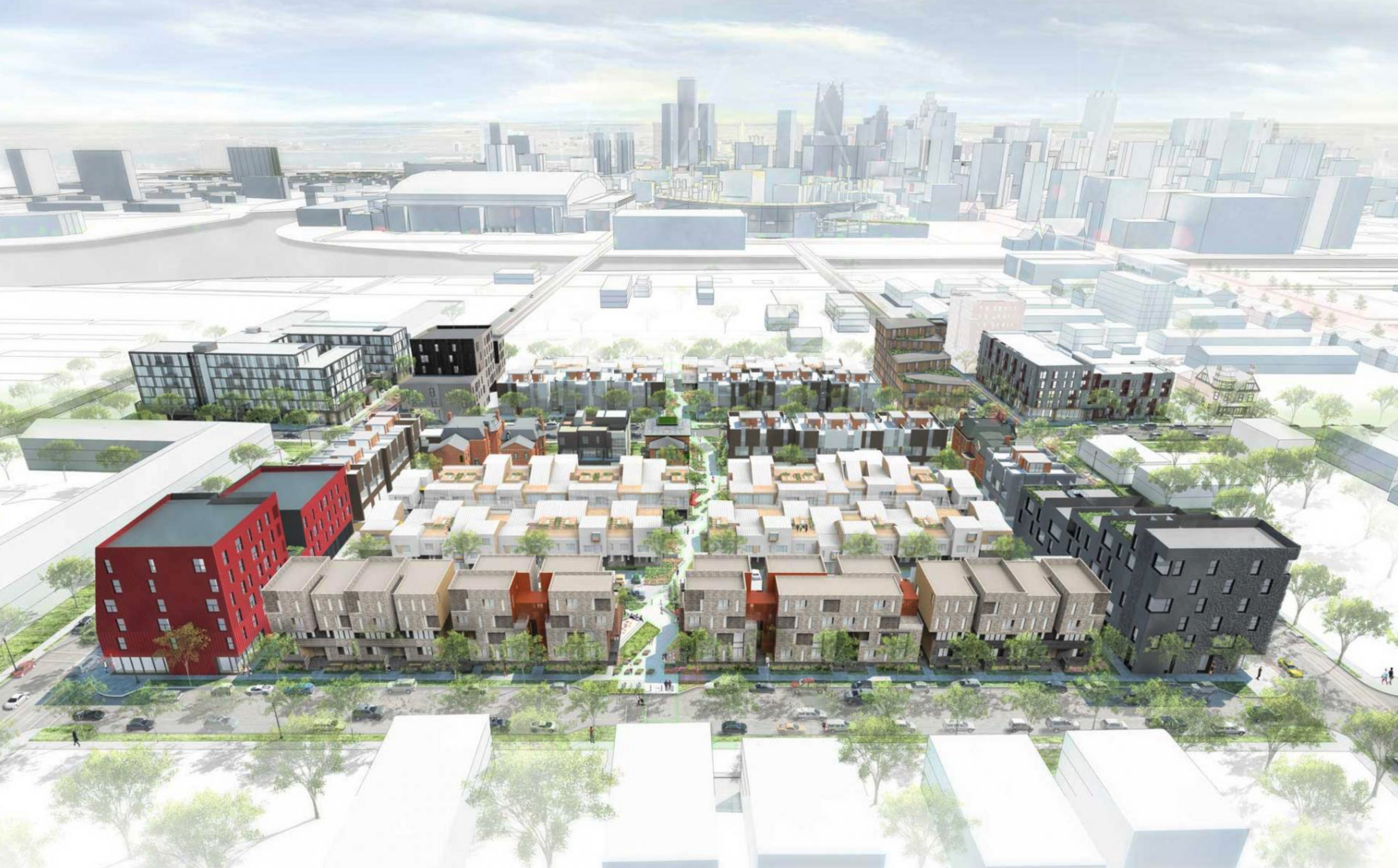
Another key component is local stewardship. Conservancies and neighborhood organizations frequently manage land acquisition, planning processes, and community programming. This stewardship model ensures that redevelopment remains aligned with the needs of residents rather than purely speculative investment interests. By maintaining local oversight, communities are able to guide development in ways that reinforce long-term stability.
Ecological integration also plays an important role in Detroit’s redevelopment efforts. Because many neighborhoods contain vacant land, planners have incorporated green infrastructure into redevelopment strategies. Urban agriculture, community gardens, stormwater management landscapes, and green corridors are frequently integrated into neighborhood plans. These strategies not only improve environmental resilience but also create community gathering spaces and opportunities for local food production.
Finally, Detroit’s redevelopment initiatives often emphasize the creation of local economic ecosystems. Mixed-use development provides space for small businesses, maker spaces, cafés, and neighborhood services that support local employment and entrepreneurship. By encouraging locally rooted economic activity, redevelopment projects help stabilize neighborhoods and rebuild social networks that were disrupted by decades of decline.
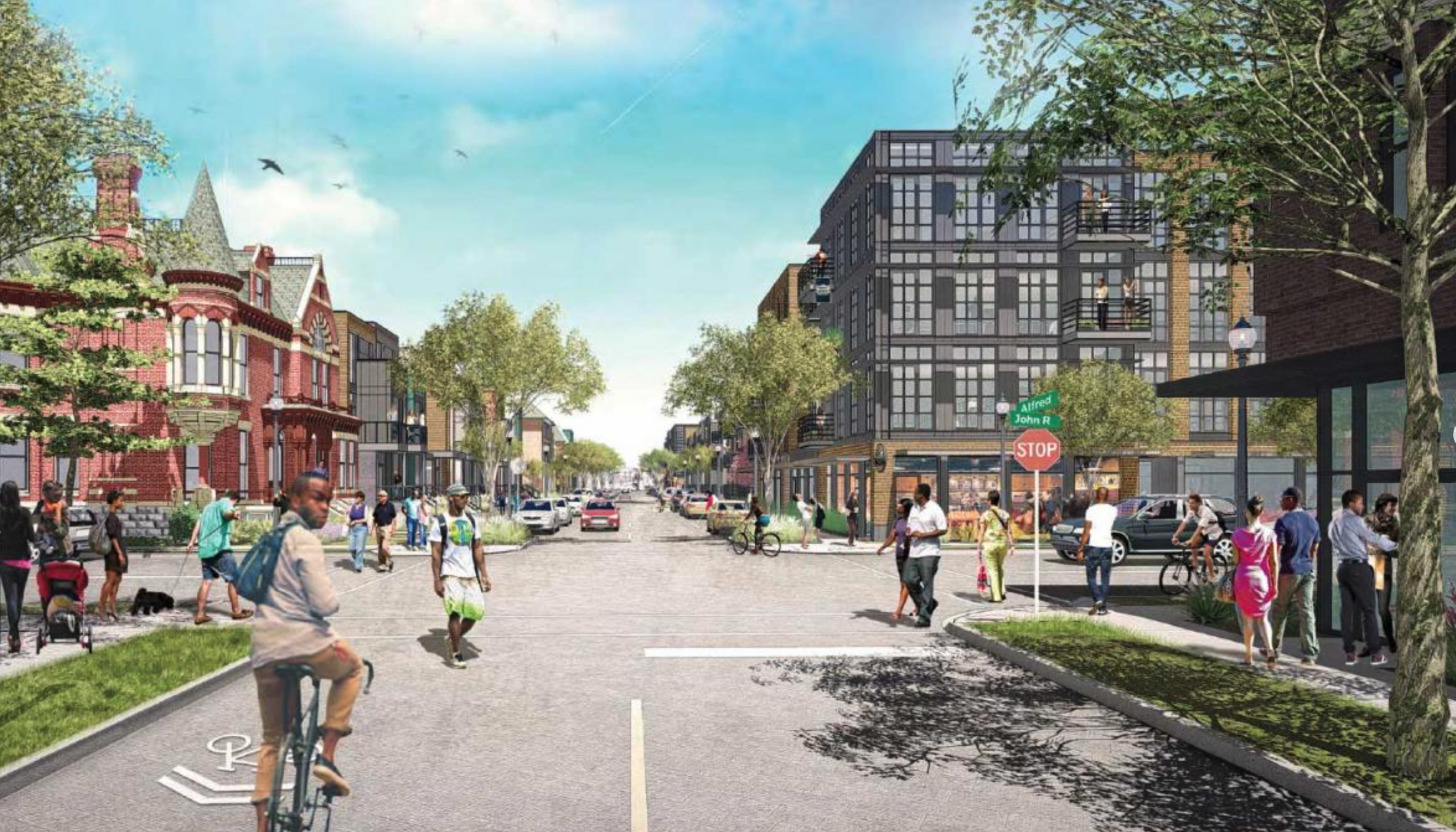
Through these strategies, Detroit’s neighborhood conservancy model reflects the core principles of regenerative urbanism: rebuilding social cohesion, restoring ecological systems, and fostering resilient local economies.
New York City’s Hotels-to-Housing Initiative
While Detroit’s redevelopment focuses on rebuilding neighborhoods from the ground up, New York City’s Hotels-to-Housing Initiative represents a different form of urban adaptation. In 2020, the COVID-19 pandemic caused an unprecedented collapse in tourism and business travel. Many hotels throughout New York City suddenly found themselves with extremely low occupancy rates and significant financial challenges.

At the same time, the city continued to face a severe housing shortage, particularly for affordable and supportive housing. Recognizing the opportunity to address both problems simultaneously, the New York City Department of Housing Preservation and Development developed a program that encouraged the conversion of struggling hotels into permanent residential housing.
Through regulatory adjustments and financing programs, the initiative allowed developers and nonprofit housing organizations to acquire hotels and convert them into apartments. Many of these conversions focused on supportive housing for individuals experiencing homelessness or those requiring social services.
This initiative highlights the power of adaptive reuse as a tool for urban transformation. Rather than demolishing existing buildings or constructing entirely new developments, the city leveraged existing infrastructure to deliver housing more quickly and at lower cost. Hotels often contain layouts that are well suited for conversion into small apartments, with existing plumbing systems, structural frameworks, and circulation corridors already in place.
However, the initiative primarily represents a building-level intervention rather than a neighborhood-scale transformation. In most cases, hotels are converted into purely residential buildings with limited integration of commercial or community spaces. While these conversions contribute to the city’s housing supply, they do not fundamentally reshape the surrounding urban environment.
Ecological regeneration also plays a limited role in the hotel conversion process. Renovations typically focus on interior modifications rather than landscape interventions or environmental restoration. As a result, the program demonstrates the efficiency of adaptive reuse but does not necessarily advance broader regenerative urbanism goals.
Nevertheless, the initiative represents an important policy innovation. It illustrates how cities can respond quickly to changing economic conditions by repurposing existing assets. In dense urban environments where land is scarce and construction costs are high, adaptive reuse can provide a pragmatic path toward increasing housing supply.
Comparison of the Two Models
The Detroit and New York initiatives reveal two complementary approaches to urban transformation. Detroit’s redevelopment focuses on rebuilding neighborhood ecosystems through mixed-use development, ecological restoration, and community stewardship. New York’s Hotels-to-Housing Initiative demonstrates how existing buildings can be repurposed rapidly to address urgent housing needs.
A comparison of these approaches highlights several key differences.
| Criteria | Detroit Conservancy Redevelopment | NYC Hotels-to-Housing Initiative |
| Mixed-use development | Strong integration of housing, retail, and community spaces | Typically single-use residential conversions |
| Community regeneration | Neighborhood-scale revitalization with local stewardship | Limited community-scale transformation |
| Ecological systems | Integration of urban agriculture and green infrastructure | Minimal ecological interventions |
| Economic ecosystem | Supports local businesses and neighborhood services | Primarily housing-focused |
| Policy innovation | Community-based redevelopment strategies | Strong regulatory and financing innovation |
From a regenerative urbanism perspective, Detroit’s model aligns more closely with the concept of restoring urban systems. By addressing housing, environment, economy, and social cohesion simultaneously, these projects attempt to rebuild the full metabolic system of the neighborhood.
New York’s initiative, by contrast, excels as an example of adaptive reuse policy. It demonstrates how cities can transform underutilized buildings into valuable assets through regulatory flexibility and targeted investment. While it does not fully embody regenerative urbanism, it shows how adaptive reuse can complement broader urban regeneration strategies.
Conclusion
The Detroit neighborhood conservancy redevelopment model and New York City’s Hotels-to-Housing Initiative illustrate two distinct yet complementary approaches to urban transformation. Detroit’s projects focus on rebuilding neighborhoods through mixed-use development, ecological restoration, and community stewardship. These efforts align closely with the principles of regenerative urbanism, which emphasize restoring the social, environmental, and economic systems that allow cities to thrive.
New York’s hotel conversion initiative represents a different form of innovation. By repurposing underutilized hotels into residential housing, the city demonstrated how adaptive reuse can respond quickly to shifting economic conditions and housing shortages. While the initiative primarily operates at the building scale rather than the neighborhood scale, it highlights the importance of flexibility and efficiency in urban policy.
Together, these case studies suggest that regenerative urbanism and adaptive reuse should not be viewed as competing strategies but rather as complementary tools. Regenerative urbanism offers a framework for rebuilding neighborhoods and restoring urban ecosystems, while adaptive reuse provides a practical mechanism for transforming existing buildings and infrastructure.
As cities continue to evolve in response to economic, environmental, and social pressures, successful urban development will likely require a combination of both approaches. By integrating neighborhood-scale regeneration with strategic building-level adaptation, cities can create resilient urban environments that respond effectively to the challenges of the twenty-first century.